Türkçe
Single-port thoracoscopic surgery in lung cancer is one of the minimally invasive surgical techniques and is performed through a single small incision. With this method, the tumor tissue is removed while shortening the patient’s recovery time, reducing pain levels, and minimizing the length of hospital stay.
The question of how single-port thoracoscopy is performed is important for understanding the technical aspects of the operation. During the procedure, a single incision of approximately 3–4 cm is generally made, and the camera and surgical instruments are introduced through this opening. The surgeon performs the entire procedure under visual guidance using video assistance.
This method is particularly preferred for early-stage lung cancers. A tumor confined to a limited area, minimal lymph node involvement, and the patient’s good general health increase the likelihood of success. If there is extensive spread, conventional surgical methods may be preferred.
The advantages of single-port thoracoscopy include less bleeding, a lower risk of complications, and faster mobilization. It is also preferred for cosmetic reasons because it leaves less scarring. When performed by experienced teams, it has a high success rate.
What Is Single-Port Thoracoscopic Surgery for Lung Cancer and How Has It Evolved?
Our rib cage is like a perfect shield protecting our heart and lungs. In the past, reaching a tumor in the lung required passing through this shield by widely separating the ribs and opening the chest. This old method, known as open surgery, caused compression of the delicate nerves running beneath the ribs and damage to the muscles. Patients had to cope with severe pain after surgery, and returning to normal life took months. Thanks to advances in medical technology, the era of minimally invasive surgery began. Initially, these procedures were performed through three or four small openings, but over time they became even more refined. Today, the latest development is performing the entire operation through a single incision of two or three centimeters made near the armpit. As a result, trauma to the human body has been reduced to the lowest possible level, while recovery speed has reached unprecedented levels.
Who Is a Suitable Candidate for Single-Port Thoracoscopic Surgery for Lung Cancer?
The most important step in achieving success in treatment is applying the right method to the right patient. This minimally invasive and comfortable approach offers hope for many patients diagnosed with lung cancer. It is considered the gold standard, especially in early-stage cases where the tumor has not yet spread to other organs and remains confined to the lung. The size and location of the tumor, together with the patient’s overall health, are evaluated as a whole. Not only early-stage patients but also some locally advanced-stage patients may safely undergo this procedure thanks to advances in technology and surgical experience. The most important criterion is the possibility of completely removing the cancerous tissue.
The general characteristics of suitable candidates are:
- Early-stage patients
- Adequate respiratory capacity
- Healthy cardiac function
- Suitability for general anesthesia
- Small-sized tumors
- No pleural adhesions
- Strong immune system
What Preparations Are Made Before Single-Port Thoracoscopic Surgery for Lung Cancer?
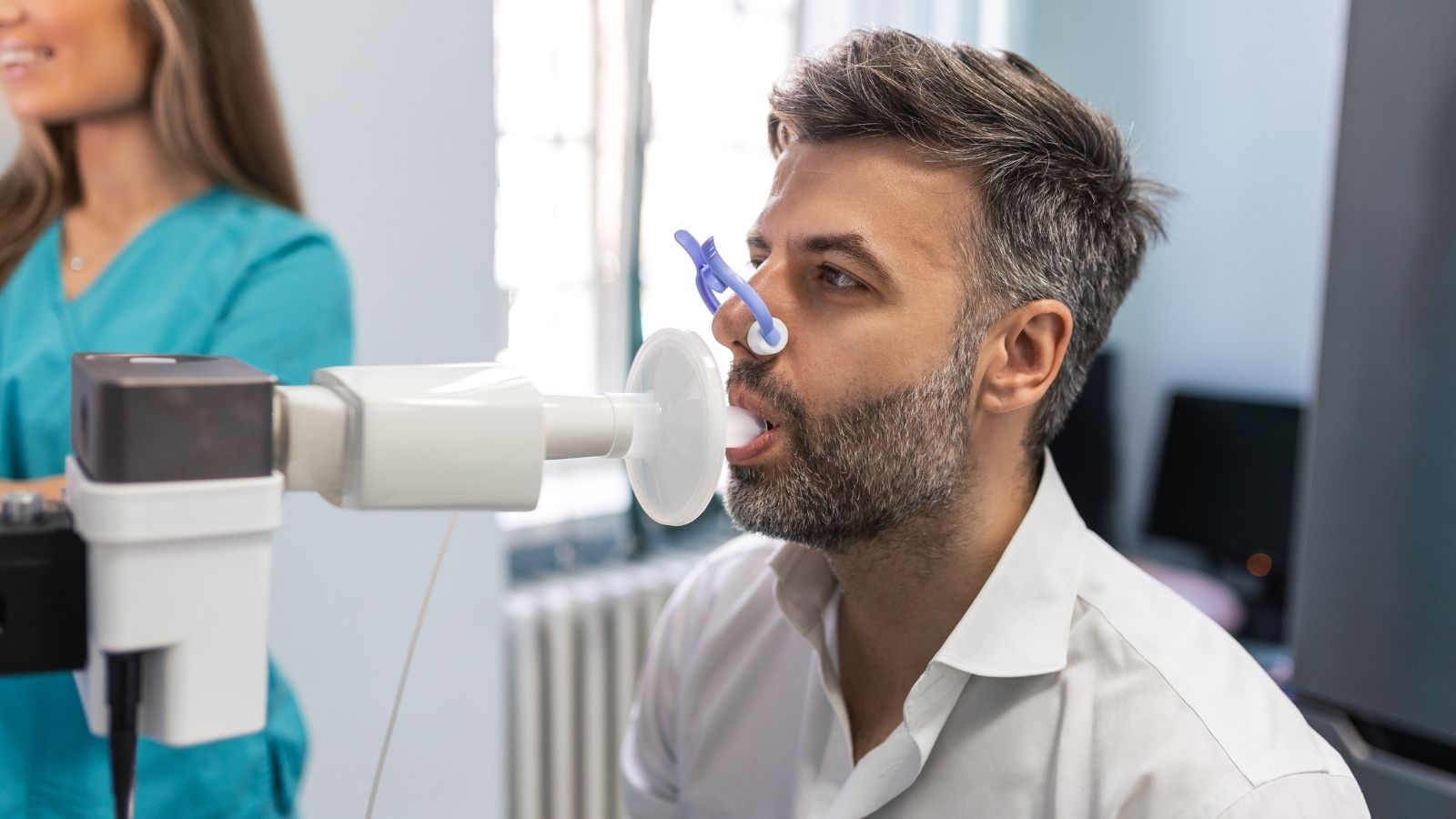
Before deciding on surgery, the patient’s body is examined in great detail. Our goal is to ensure that the patient can undergo the operation as comfortably as possible. First, pulmonary function tests, during which the patient takes a deep breath and exhales forcefully, are performed to measure respiratory capacity. These tests show whether the remaining healthy lung tissue will be sufficient after surgery. Cardiac evaluations are then performed to assess the heart’s exercise capacity. Advanced imaging methods are used to map the exact location, size, and relationship of the tumor with surrounding tissues. These detailed examinations serve as a rehearsal for the surgery and help eliminate the possibility of unexpected situations.
The main medical tests requested before surgery include:
- Blood tests
- Pulmonary function test
- Electrocardiography
- Echocardiography
- Computed tomography
- PET scan
- Brain MRI
- Chest X-ray
Which Devices Are Used During Single-Port Thoracoscopic Surgery for Lung Cancer?
How an entire lung lobe can be removed through a single small opening is a common question. The secret lies entirely in highly advanced medical devices. The cameras used in the operating room provide images with higher resolution than even the best televisions in our homes. The tips of these cameras are angled, meaning they do not look straight ahead. Once inserted through the single incision, the camera can be rotated to project even the most hidden areas of the chest cavity onto large screens. The instruments used to separate tissues, cut blood vessels, and perform suturing are specially curved rather than straight. This curved design prevents the instruments entering through the same small incision from colliding with one another.
The main technological devices available in the operating room include:
- High-definition thoracoscope
- Curved tissue graspers
- Curved surgical scissors
- Endoscopic staplers
- Ultrasonic energy devices
- Titanium clips
- Bipolar sealing devices
- Protective specimen retrieval bag
Why Is Single-Port Thoracoscopic Surgery for Lung Cancer Superior to Traditional Methods?
The biggest difference between older multi-port minimally invasive methods and this newer single-port technique lies in the concepts of “geometry” and “pain.” In multi-port surgery, the camera entered through one point while the surgical instruments entered through completely different points. This often resulted in injury to multiple nerves running between the ribs. In contrast, the single-port system uses only one intercostal space, meaning only one nerve is affected. This is the main reason why postoperative pain is significantly reduced. From a geometric perspective, the camera and instruments inserted through the same incision advance in parallel. This parallel alignment provides the surgeon with a natural sense of depth, almost as if viewing the tissues directly, allowing excellent hand-eye coordination.
How Is the Tumor Removed During Single-Port Thoracoscopic Surgery for Lung Cancer?
Our lungs have branching airways and blood vessels resembling the branches of a tree. The cancerous tumor is located within one of the sections of the lung called a lobe. Our goal is not simply to remove the small tumor itself, but to remove the entire affected lobe containing the tumor as a single intact unit without contaminating surrounding tissues. With the help of advanced instruments introduced into the chest, the blood vessels and airways supplying the affected lobe are safely divided and simultaneously sealed. The risk of bleeding is eliminated within seconds. The removed tissue is never left loose within the chest cavity. Instead, a special tear-resistant, leak-proof protective retrieval bag, resembling parachute fabric, is introduced into the chest. The cancerous tissue is enclosed within this bag and safely removed through the small chest incision.
How Are Lymph Nodes Managed During Single-Port Thoracoscopic Surgery for Lung Cancer?
Cancer cells are intelligent and insidious. When they attempt to spread from their original location, the first route they use is the lymphatic system. Therefore, removing the primary lung tumor alone is never sufficient treatment. True oncological clearance requires complete removal of the surrounding lymph nodes as well as those located in the central chest cavity. Thanks to the excellent magnification provided by single-port surgery, lymph nodes can be visualized in great detail. They are carefully removed one by one without damaging vital nerves supplying the vocal cords or diaphragm and are sent to the pathology laboratory for examination. This lymph node dissection is essential for accurately determining the stage of the disease.
The principal lymph node stations evaluated include:
- Hilar lymph nodes
- Interlobar lymph nodes
- Subcarinal region
- Paratracheal region
- Aortopulmonary window
- Inferior pulmonary ligament
What Is the Recovery Room Experience Like After Single-Port Thoracoscopic Surgery for Lung Cancer?
After the operation is completed, patients are transferred to the recovery room. Since this method causes minimal trauma to the chest wall, awakening from anesthesia is generally smoother and more comfortable. When you first open your eyes, it is completely normal to notice mild dryness in your throat and slight pressure on the side of your chest. This pressure is caused by the thin silicone tube placed to drain any air or fluid that may accumulate inside. Most patients feel quite well within a few hours of waking up. Once they return to their hospital room, they can sit upright in bed and comfortably talk with their loved ones. Unlike in the past, staying in intensive care for several days is now a thing of the past except in very special circumstances.
What Happens in the Hospital After Single-Port Thoracoscopic Surgery for Lung Cancer?
The average two- or three-day hospital stay represents the golden hours of recovery. Our most important goal is to ensure that the remaining healthy lung tissue fully expands. Therefore, patients are encouraged to get out of bed and walk in the corridor either on the evening of surgery or the following morning. Walking helps expand the lungs and stimulates bowel function. Pain is carefully managed, and with modern intravenous pain medications, patients do not suffer severe discomfort while taking deep breaths or coughing. Breathing exercises begin under the supervision of nurses. The patient’s motivation and morale are extremely valuable during this stage.
The daily routines performed in the hospital include:
- Regular walking
- Breathing exercises
- Pain management
- Blood pressure monitoring
- Temperature measurement
- Wound dressing checks
- Chest drain monitoring
- Blood oxygen measurement
What Should Home Care Be Like After Single-Port Thoracoscopic Surgery for Lung Cancer?
Once you return home from the hospital, you have actually completed a significant part of your recovery. However, there are several important rules that should be followed at home. Since the incision is very small, wound care is extremely simple, and keeping it clean for the period recommended by your doctor is usually sufficient. Getting plenty of rest at home is important, but this does not mean remaining in bed continuously. Short walks inside the house or in the garden, if possible, should be taken throughout the day. Feeling mildly tired while your body adjusts is completely normal, so it is important to give yourself time and listen to your body’s signals.
Activities that should definitely be avoided at home include:
- Lifting heavy objects
- Making sudden twisting movements
- Reaching for high shelves
- Lying still for long periods
- Doing heavy household chores
- Using a vacuum cleaner
- Forceful coughing
What Should the Diet Be Like After Single-Port Thoracoscopic Surgery for Lung Cancer?
Proper nutrition is your strongest medicine for cell regeneration and rapid wound healing. After surgery, the body needs energy and building blocks. A protein-rich diet is especially essential for strengthening muscles and repairing tissues. Meals rich in vitamins and minerals that support the immune system should be emphasized. To avoid placing excessive strain on the digestive system, meals should be consumed in small portions at frequent intervals. Drinking at least two liters of water per day is critical for thinning lung secretions and making them easier to clear.
Foods that help accelerate recovery include:
- Eggs
- Yogurt
- Kefir
- Salmon
- Bone broth
- Chicken broth
- Walnuts
- Almonds
- Spinach
- Broccoli
- Olive oil
- Lentils
Which Foods Should Be Avoided After Single-Port Thoracoscopic Surgery for Lung Cancer?
Just as certain foods promote recovery, others may increase the body’s workload and delay healing. Foods that cause edema, suppress the immune system, or create bloating by burdening the digestive system should be avoided. Excessive gas and abdominal distension may put pressure on the diaphragm and make breathing more difficult. Therefore, careful food choices should be made during the first weeks after surgery.
Foods that should not be consumed include:
- Processed sausages
- Processed salami
- Excessively salty foods
- Packaged sugary products
- Carbonated beverages
- Fried foods
- Solid fats
- Hot spices
Which Exercises Help Speed Recovery After Single-Port Thoracoscopic Surgery for Lung Cancer?
The most effective way to regain lung capacity is through breathing exercises. A device called “Triflo,” which contains small balls, should become your closest companion during this process. It is very important to sit upright in bed while using this device. First, the air in the lungs is exhaled, and then a deep, strong breath is taken through the mouthpiece to keep the balls suspended. This simple yet remarkably effective exercise opens even the smallest air sacs in the lungs and significantly reduces the risk of pneumonia.
The basic daily exercises include:
- Deep breathing with Triflo
- Short brisk walks
- Shoulder rolls backward
- Neck stretching
- Gentle arm raises
- Practicing upright sitting posture
How Should Cleaning and Bathing Be Managed After Single-Port Thoracoscopic Surgery for Lung Cancer?
One of the most common questions patients ask after returning home is about bathing. By the time patients leave the hospital, the chest drain has usually been removed and the small wound is covered with a waterproof dressing. Unless your doctor advises otherwise, it is generally possible to take a shower one or two days after discharge. However, the water should not be excessively hot, and direct high-pressure water should not be aimed at the wound. The wound should not be scrubbed or soaped. After showering, the wound area should be gently dried with a clean towel.
The points to pay attention to while bathing include:
- Use lukewarm water
- Keep the shower short
- Do not apply soap directly to the dressing
- Do not scrub the wound
- Avoid high-pressure water
- Dry gently
How Should Sleep Be Managed After Single-Port Thoracoscopic Surgery for Lung Cancer?
Quality sleep is the body’s greatest repair workshop. However, since a procedure has been performed on one side of your chest, you may have difficulty finding a comfortable sleeping position during the first few days. Sleeping on your back or on the healthy, non-operated side is usually the most comfortable. Lying on the operated side may initially cause a mild stabbing sensation, but this gradually disappears over time. Sleeping in a slightly elevated position by placing a few extra pillows under your head and back makes breathing easier and helps you sleep more comfortably.
Recommended sleep aids include:
- Extra pillows
- Cotton pajamas
- A quiet environment
- A dim night light
- A regular sleep schedule
- Proper room ventilation
When Can Patients Return to Work After Single-Port Thoracoscopic Surgery for Lung Cancer?
Returning to work and daily routines is not only a physical recovery but also a psychological victory. One of the greatest advantages of the single-port technique is that it significantly shortens this period. While returning to work after open surgery may take several months, office workers undergoing this minimally invasive procedure can generally return to work within two or three weeks. If your job requires physical labor or heavy lifting, this period may extend to six weeks. The important thing is not to rush and always obtain your doctor’s approval.
The points to consider when returning to work include:
- Take frequent breaks
- Avoid sitting for long periods
- Do not lift heavy objects
- Drink plenty of water
- Keep the workplace well ventilated
- Avoid stress
Can Patients Travel After Single-Port Thoracoscopic Surgery for Lung Cancer?
Another common question our patients ask concerns traveling. Driving is generally not recommended during the first two weeks after surgery because it requires active use of the chest muscles and arms. There is usually no problem with short-distance travel as a passenger. Air travel requires special attention because of changes in cabin pressure. Following lung surgery, flying is generally not recommended during the first month. At the end of this period, medical evaluation should be performed and approval obtained before flying.
The precautions to take while traveling include:
- Place a pillow beneath the seat belt
- Take frequent breaks
- Walk during breaks
- Wear comfortable clothing
- Avoid carrying heavy luggage
- Wear a mask in crowded environments
Can Single-Port Thoracoscopic Surgery for Lung Cancer Be Converted to Open Surgery?
In surgery, we always prepare for the best-case scenario while remaining ready for every possibility. Although rare, it may become necessary to convert a single-port procedure to a conventional open operation during surgery. Patients sometimes perceive this as a failure, but in reality it is a vital decision made entirely to protect the patient’s life and safety. If the tumor is firmly attached to major blood vessels or if an unexpected risk of significant bleeding arises, the surgeon may decide to open the chest rather than take unnecessary risks. The important point is the safe removal of the cancerous tissue from the body; changing the surgical method does not mean abandoning the treatment goal.
Situations that may require conversion to open surgery include:
- Unexpected vascular adhesions
- Difficult-to-control bleeding
- Severe pleural adhesions
- Anatomical variations
- Critical tumor location
- Failure of adequate lung collapse
Which Habits Must Absolutely Be Stopped After Single-Port Thoracoscopic Surgery for Lung Cancer?
Saying goodbye to tobacco products, the greatest trigger of lung cancer, is an unquestionable rule not only before surgery but also afterward. No matter how successful the operation may be, continuing to smoke causes rapid deterioration of the remaining healthy lung tissue and dramatically increases the risk of cancer recurrence. To breathe healthily and make the most of a second chance, all harmful habits should be permanently abandoned.
Substances that should never be used include:
- Cigarettes
- Hookah
- Electronic cigarettes
- Cigars
- Pipes
- Alcohol
What Are the Common Misconceptions About Single-Port Thoracoscopic Surgery for Lung Cancer?
Many scientifically unfounded myths circulating among the public cause unnecessary fear for patients. One of the biggest misconceptions is the belief that cancer cannot be completely removed through minimally invasive surgery. This is absolutely incorrect; thanks to high-resolution cameras, tissues are seen much more clearly, and the oncological clearance is performed with the same precision as in open surgery. Another misconception is that patients will become dependent on oxygen after surgery. In appropriately selected patients whose respiratory capacity has been properly evaluated before surgery, supplemental oxygen is generally not required in daily life.
Frequently Asked Questions
Single-port thoracoscopic surgery is a minimally invasive surgical technique performed through a single small incision in the chest wall. It allows lung tumors to be removed using a specialized camera and surgical instruments.
It may be preferred for patients with early-stage lung cancer whose general health condition is suitable for surgery. However, suitability is determined according to the size and location of the tumor as well as the patient’s clinical characteristics.
Because a smaller incision is used, postoperative pain may be reduced. It may also provide advantages such as a shorter hospital stay, faster recovery, and an easier return to daily activities.
The recovery period may vary depending on the patient’s overall health and the extent of the surgical procedure. Many patients can return to their daily activities within a few weeks, although complete recovery may take longer.
Evaluation of the lymph nodes is an important part of lung cancer surgery. When necessary, lymph nodes may be removed for pathological examination, allowing more accurate staging of the disease.
Since only one incision is used, there may be less trauma to the muscles and tissues. This may help reduce postoperative pain and allow many patients to regain mobility more quickly.
Although the time required to return to daily activities varies from person to person, many patients can resume normal life sooner compared with open surgery. Following the doctor’s recommendations may positively influence the recovery process.
As with any surgical procedure, complications such as bleeding, infection, air leakage, and anesthesia-related issues may occur. The level of risk varies according to the patient’s general health and the extent of the surgery.
When performed in appropriate patients, it may be an effective option in terms of oncological outcomes. Surgical success is evaluated according to the stage of the tumor, the completeness of its removal, and the patient’s overall health condition.
After surgery, regular medical check-ups, imaging studies, and additional treatments when necessary may be planned. Follow-up is important for the early detection of possible recurrence and the evaluation of the patient’s overall health.

Prof. Dr. Alper Fındıkcıoğlu graduated from Istanbul University Faculty of Medicine and completed his thoracic surgery residency at Dr. Siyami Ersek Hospital. He began his academic career at Başkent University in 2005; he received the title of associate professor in 2014 and professor in 2022. He has extensive experience in lung cancer, chest wall diseases, and minimally invasive surgery. Since 2024, he has been continuing his professional work at Acıbadem Hospital.